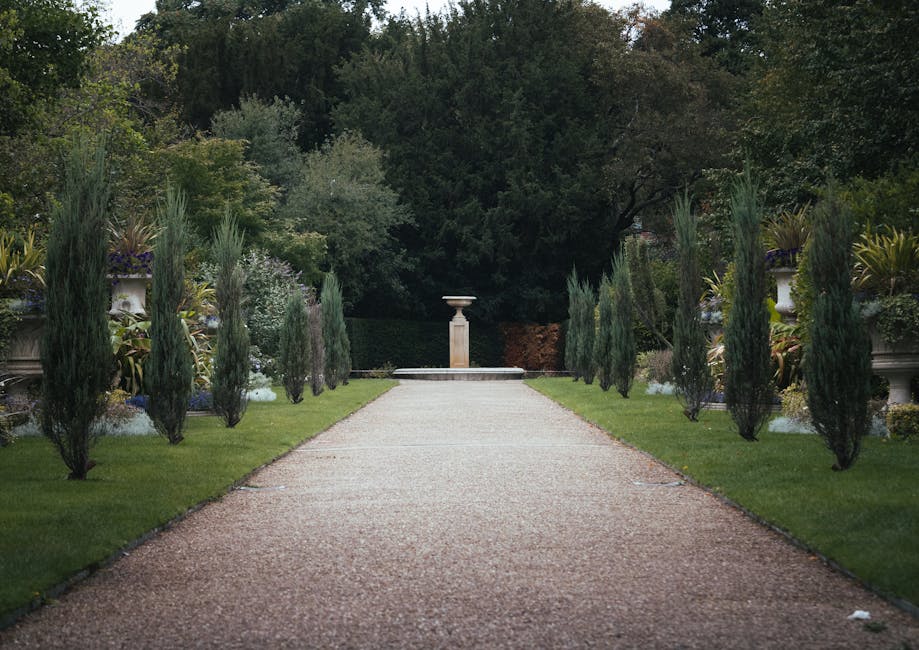
Pinner gardeners and garden maintenance near Harrow School
If you are looking for Pinner gardeners and garden maintenance near Harrow School, you are probably after something very specific: dependable help, local knowledge, and a garden that stays neat without becoming a weekend burden. That sounds simple enough, but in practice it often means balancing lawn care, hedge trimming, clearance, tidy borders, and the odd urgent job after weather turns rough.
Gardens in this part of north-west London can be a bit mixed. Some are compact and formal, some are family gardens that need regular upkeep, and some sit close to busy roads where dust, shade, and foot traffic all affect growth. The right gardener does not just cut grass and move on. They notice patterns, spot problems early, and keep the space looking cared for all year round. In this guide, we will look at what good garden maintenance near Harrow School involves, why it matters, and how to choose work that actually suits the garden you have, not the one you wish you had.
One practical note before we begin: a well-kept garden is rarely the result of one dramatic visit. It is usually the product of steady, sensible attention. Boring? Maybe a little. Effective? Absolutely.
Table of Contents
- Why Pinner gardeners and garden maintenance near Harrow School Matters
- How Pinner gardeners and garden maintenance near Harrow School Works
- Key Benefits and Practical Advantages
- Who This Is For and When It Makes Sense
- Step-by-Step Guidance
- Expert Tips for Better Results
- Common Mistakes to Avoid
- Tools, Resources and Recommendations
- Law, Compliance, Standards, or Best Practice
- Options, Methods, or Comparison Table
- Case Study or Real-World Example
- Practical Checklist
- Conclusion
- Frequently Asked Questions
Why Pinner gardeners and garden maintenance near Harrow School Matters
Garden maintenance matters most when it prevents small issues from becoming expensive, messy, or simply annoying. A lawn left too long can thin out. Hedges that are ignored start leaning, shading beds, and spilling into pathways. Beds that are not weeded regularly become far harder to reset than they were to maintain in the first place. Truth be told, most garden problems begin quietly.
Near Harrow School, there is also the practical matter of presentation. Many homes and properties in the surrounding area benefit from tidy front gardens, controlled planting, and paths that remain clear and safe. If your garden sits close to an entrance, driveway, or shared boundary, regular upkeep is not just cosmetic. It helps keep the space usable.
There is another layer too: local conditions. Some gardens in Pinner and nearby parts of Harrow are shaded by mature trees, while others are exposed to wind and fuller sun. That changes everything. Shade can slow drying and encourage moss. Sunny plots may need more watering and sharper edging. A good gardener does not force a one-size-fits-all routine onto the space. They read the garden as it is.
For homeowners, landlords, and property managers, the real value lies in consistency. You want a garden to feel looked after on a dull Tuesday in February, not just after a spring tidy-up. That is the difference between maintenance and rescue work.
How Pinner gardeners and garden maintenance near Harrow School Works
Garden maintenance is usually a planned, repeatable process rather than a single service. Depending on the property, it may include lawn mowing, hedge trimming, border tidying, weeding, pruning, leaf clearance, green waste removal, and occasional soft landscaping. For some homes, it is weekly during the growing season. For others, monthly or fortnightly makes more sense.
The first step is usually an assessment of the garden's current condition. That sounds obvious, but it is where quality starts. A gardener needs to know what is growing, what is struggling, what is overgrown, and what can wait. A quick walk-through often reveals the real priorities: patchy grass, blocked drainage, a border full of self-seeded plants, or a hedge that has gone from neat to slightly overconfident.
From there, work is often grouped into practical tasks. For example:
- Routine upkeep: mowing, edging, light weeding, deadheading, and general tidying.
- Seasonal work: pruning, cutting back perennials, leaf clearance, and preparing beds for spring or winter.
- Structural care: hedge trimming, shrub shaping, small-scale planting, and boundary maintenance.
- Recovery work: garden clearance, overgrowth removal, and returning neglected spaces to a manageable state.
If you need broader support beyond routine care, it may help to look at the wider services overview so you can match the job to the right type of work. For larger overgrown spaces, garden clearance may be the starting point before maintenance becomes realistic again.
And yes, timing matters. Early morning work can be better for lawns and softer planting, especially on hotter days. In damp conditions, it may be wise to avoid heavy soil disturbance. Little choices like that make a visible difference. You can hear it in the garden, actually: the cleaner cut of a mower, the snip of shears, the softer sound of leaves coming off a dry path.
Key Benefits and Practical Advantages
Good garden maintenance delivers more than a tidy view from the kitchen window. It improves function, saves time, and often reduces bigger repair or restoration jobs later on. That is the practical side. The nicer side is simple enough: you get to enjoy the garden instead of feeling guilty about it.
Here are the main benefits people usually notice first:
- Better first impressions: a neat front garden and well-kept borders instantly lift a property.
- Healthier plants: regular pruning, feeding, and clearing help plants breathe and grow with less stress.
- Safer paths and access: trimmed hedges and clear walkways reduce clutter and trip hazards.
- Less long-term cost: small maintenance visits are usually easier than repeated heavy restoration.
- More usable outdoor space: a garden you can walk through, sit in, and actually use is worth a lot.
There is also a quiet psychological benefit. A managed garden tends to feel calmer. Not perfect. Just under control. That matters, especially if you work from home or come back to the same patch of grass day after day and see every small decline. Nobody wants to look out and think, "Well, that got away from me again."
If your garden includes timber features, raised areas, or a decked section, it can help to think beyond plants alone. For instance, maintenance may sit alongside decking services or light landscaping where a tired garden needs both structure and planting support. Similarly, if the outdoor space has become a bit muddled over time, landscaping can help bring shape back into the layout.
Who This Is For and When It Makes Sense
This kind of service makes sense for quite a wide range of people, but the reasons differ a bit.
Homeowners often want a reliable routine so the garden does not become a monthly source of stress. If you have a front and back garden, a job, children, or just no appetite for weekend pruning, regular maintenance is often the easiest answer.
Landlords and letting agents usually need gardens kept presentable between tenancies or during occupancy. Overgrown hedges, uneven lawns, and cluttered borders can create a poor impression very quickly, and tenants do not always have the tools or time to deal with them.
Older residents may need the physical side of gardening taken off their hands while still wanting to keep the space familiar and pleasant. In those cases, a careful, respectful gardener matters more than a quick one.
Busy families often need a more pragmatic arrangement. You may not need a designer garden. You may just need grass cut before it gets too long, the hedge kept back from the path, and the whole place safe enough for daily life. Fair enough.
Anyone returning a garden to order after a neglected period should think in stages. A one-off tidy is not always enough if brambles, weeds, or self-seeded growth have taken hold. In those cases, an initial clearance, followed by a maintenance plan, is usually the sensible route.
Step-by-Step Guidance
If you want to approach garden maintenance properly, start with a plan. A tidy garden is rarely accidental. It usually comes from a sequence that is practical, not fancy.
- Walk the garden and note the real priorities. Look for overgrowth, dead plants, broken edging, poor drainage, and anything blocking light or movement.
- Decide what needs immediate attention. Some jobs are time-sensitive, such as an overgrown hedge near a boundary, while others can wait another week.
- Clear the obvious clutter first. Remove fallen branches, old pots, weeds in access areas, and anything making the garden feel crowded.
- Tackle the structural work. This may include hedge trimming, pruning, or resetting borders so the garden has shape again. If hedges are a major issue, dedicated hedge trimming is often worth prioritising.
- Move to the lawn and soft surfaces. Mowing, edging, raking, and scarifying where appropriate help the space look finished. If lawn health is the main concern, lawn mowing and related upkeep are usually the backbone of the routine.
- Refresh beds and borders. Weed, mulch, prune lightly, and remove anything diseased or exhausted.
- Set the follow-up schedule. Maintenance only works if it is repeated often enough for the season. That may mean fortnightly visits in peak growth and lighter visits in colder months.
Where trees are part of the picture, be more cautious. Larger branches, unstable limbs, and works close to boundaries should be handled with care and proper judgement. In many cases, tree lopping and removal is a specialist task rather than a general tidy-up job. That distinction matters, especially when safety is involved.
A small but useful habit: end each visit by looking at the garden from the same viewpoint every time, maybe from the kitchen door or the path. You spot the stuff you stop noticing when you are knee-deep in weeds. Strange, but true.
Expert Tips for Better Results
The difference between acceptable and genuinely good garden maintenance often comes down to judgement. Anyone can cut what is obvious. Fewer people know what to leave alone.
Tip 1: Work with the season, not against it. In spring, growth can run away quickly, so frequent light visits are often better than one heavy cut. In late autumn, leaf clearance and safe access become more important than perfect shape.
Tip 2: Do not scalp the lawn. Cutting grass too short, especially in warm dry spells or after a wet period, can weaken it. A slightly longer finish is usually healthier and often looks more even anyway.
Tip 3: Keep edges honest. A neat edge between lawn, path, and border does more for the appearance of a garden than many people expect. It is one of those tiny details that somehow changes everything.
Tip 4: Avoid over-pruning shrubs. Some plants respond well to a light shape-up, but hard pruning at the wrong time can reduce flowering or leave them looking sparse. If in doubt, cut less, then observe.
Tip 5: Remove waste properly. A garden can look tidy after a job and still feel unfinished if piles of cuttings are left behind. Disposal should be planned, not improvised. A careful gardener will also think about recycling and greener waste handling where possible. If sustainability matters to you, it is worth asking how a provider approaches recycling and sustainability.
Expert summary: The best maintenance is calm, regular, and slightly unglamorous. It keeps control of the garden without stripping away its character. That is the sweet spot.
Common Mistakes to Avoid
Most garden maintenance mistakes are easy to make and annoying to fix. The good news? They are usually preventable.
- Letting small tasks stack up. A few weeds become a patch, then a border, then a Saturday you did not want to spend outdoors.
- Cutting everything back too hard. It can leave the garden bare, stressed, or oddly blunt.
- Ignoring hedge growth near boundaries. This is where things become awkward with neighbours, paths, and access.
- Forgetting drainage and soil condition. A garden can look tidy on top and still suffer underneath if soil is compacted or waterlogged.
- Using the wrong tool for the job. A blunt mower blade or poor-quality trimmer gives ragged cuts and more strain on plants.
- Leaving clearance work half done. If a garden needs more than a tidy, stopping at the tidy stage can waste time and money.
One thing people often underestimate is how quickly a "minor" problem becomes a recurring one. A hedge that is left one month too long is not dramatic. But do that three or four times, and you have a completely different job on your hands. Gardens have a memory, in a way.
Tools, Resources and Recommendations
You do not need a giant arsenal of kit to keep a garden in good order, but the right tools do matter. For routine maintenance, the basics usually include a mower, secateurs, shears, rakes, edging tools, gloves, and waste bags or bins suitable for green material. For more involved work, a brush cutter or heavier pruning tools may be needed, but those should be used carefully and only where appropriate.
Good maintenance also depends on having a sensible service plan. If you are comparing options, it helps to look at:
- how often the garden needs attention
- whether the provider handles one-off work or regular visits
- if they also cover supporting tasks such as clearance or landscaping
- how they deal with waste removal
- whether they explain what is included before work starts
If you are trying to understand the service mix more broadly, it may help to review garden maintenance alongside related support such as landscape gardening. That gives a clearer picture of whether the garden needs routine care, a redesign, or both.
There is also the trust side of things. Before booking a gardener, it is sensible to check basic business information, how pricing is handled, and whether the company is transparent about safety and insurance. On the practical side, you may find it useful to read about insurance and safety and the company's approach to health and safety. That is not exciting reading, admittedly, but it does tell you a lot about how seriously they treat the work.
Law, Compliance, Standards, or Best Practice
Garden maintenance is not usually complicated from a compliance point of view, but there are still sensible standards to respect. Noise, access, waste handling, neighbour considerations, and safe use of equipment all matter. If work is being carried out near shared boundaries, parked cars, or public walkways, a careful approach is simply good practice.
For tree-related work, the bar is higher. Larger pruning, height-related tasks, or unstable growth can create safety risks that should not be brushed off. The same applies when a garden includes steep ground, loose paving, or hidden obstructions. A professional should assess those risks rather than guessing. Guessing is not a strategy, however charming it sounds.
Best practice also means being clear about scope. If a job is a maintenance visit, it should not quietly become a major clearance without agreement. Likewise, if a garden has reached the point where thick growth, brambles, or debris are taking over, the sensible order is usually clearance first, then maintenance. That approach is easier on the garden and easier on the budget too.
For customers, transparency matters. Look for clear booking terms, fair payment handling, and a straightforward complaints process in case something needs to be resolved. A company that states its policies plainly is usually easier to deal with in real life. If you want to understand how a provider handles admin and customer expectations, pages such as pricing and quotes, payment and security, and complaints procedure can be useful.
Options, Methods, or Comparison Table
Not every garden needs the same kind of help. Some only need light, regular attention. Others need a bigger reset. The table below gives a simple way to think about the options.
| Approach | Best for | Typical focus | Main advantage |
|---|---|---|---|
| Routine maintenance | Gardens already in reasonable shape | Mowing, edging, weeding, trimming, tidy-up | Keeps the garden under control with less effort |
| Seasonal maintenance | Gardens that change quickly through the year | Leaf clearance, pruning, cutback, refresh | Responds to growth patterns and weather |
| Garden clearance | Overgrown or neglected spaces | Removal of debris, brambles, excess growth | Creates a fresh starting point |
| Landscaping support | Gardens needing layout or structure changes | Reworking beds, surfaces, access, and shape | Improves how the garden functions, not just how it looks |
If you are unsure which route to choose, think about the garden's current state and your own tolerance for ongoing upkeep. A small, low-maintenance garden near Harrow School might only need routine visits. A large family garden with mature planting may need a more layered approach. Neither is better. They just ask for different things.
Case Study or Real-World Example
Imagine a modest rear garden in Pinner with a lawn, a few shrub borders, and a hedge along the back boundary. In early summer, it looks manageable enough. By the end of a few wet weeks, the grass has thickened, the hedge has started to spill over, and weeds have settled into the borders. Nothing dramatic. Just enough to make the space feel a bit tired.
A sensible maintenance visit would not start with sweeping changes. The gardener would first mow and edge the lawn, remove visible weeds, trim the hedge back to a cleaner line, and clear cuttings from the path. Then they would look at the borders, cut out dead growth, and decide whether a later visit should focus on soil improvement or a few replacement plants. That way, the garden is not only tidier but easier to manage next month.
Now compare that with a garden that has been left for half a year. The same tools are not enough. You may need clearance, some selective pruning, and a more serious reset before routine maintenance can work again. That is why the right first step matters so much. It saves time, and honestly, it saves a fair bit of frustration.
In a local setting, this kind of practical approach is what people usually want from Pinner gardeners near Harrow School: not drama, not guesswork, just steady work that makes the space usable again.
Practical Checklist
Use this checklist before booking or scheduling garden work:
- Is the garden mainly in need of routine upkeep, or does it need clearance first?
- Do you need lawn care, hedge trimming, border work, or all three?
- Are there any trees, high hedges, or awkward access points that need specialist attention?
- Do you want a one-off tidy, seasonal help, or regular maintenance visits?
- Is waste removal included or expected separately?
- Are paths, steps, or boundary areas clear enough for safe access?
- Have you noted any areas that should not be cut back too hard?
- Do you want greener disposal or recycling of garden waste where possible?
- Have you checked the provider's terms, pricing approach, and safety information?
- Do you know what result you want the garden to look like after the visit?
If you can answer those questions, you are already ahead of most people. Sounds simple, but it really helps.
Get a free quote today and see how much you can save.
Conclusion
Good garden maintenance near Harrow School is not about overdoing it. It is about staying ahead of problems, keeping the space safe and pleasant, and choosing the right level of work for the garden in front of you. Whether you need a light seasonal tidy, regular lawn and hedge care, or a more substantial clearance before maintenance can begin, the key is to act before the garden becomes harder work than it needs to be.
With the right plan, a garden stops feeling like a chore and starts feeling like part of the home again. And that shift, small as it sounds, makes a real difference on a grey afternoon or a bright one in May. Either way, you notice it.
For a dependable next step, explore the service information, check how the company handles safety and pricing, and choose an approach that suits both your garden and your schedule. A little consistency goes a long way. It always does.
Frequently Asked Questions
What does garden maintenance usually include?
Garden maintenance commonly includes mowing, edging, hedge trimming, weeding, pruning, leaf clearance, and general tidying. The exact mix depends on the garden's size, condition, and how often it is visited.
How often should a garden near Harrow School be maintained?
That depends on growth rate and garden style. Many gardens need more frequent visits in spring and summer, then lighter visits in autumn and winter. A regular schedule is usually better than waiting until the garden looks overrun.
Is a one-off tidy enough for an overgrown garden?
Sometimes, but not always. If a garden has been neglected for a while, one tidy may only scratch the surface. In those cases, a clearance visit followed by maintenance tends to work better.
Do Pinner gardeners also handle hedge trimming?
They often do, especially as part of a maintenance visit. If hedges are large, uneven, or affecting access, dedicated hedge trimming may be the most efficient starting point.
What is the difference between garden clearance and garden maintenance?
Clearance deals with overgrowth, debris, and neglected spaces. Maintenance is ongoing care that keeps a garden tidy after it has been brought back under control. They are related, but not the same thing.
Can garden maintenance help improve a lawn?
Yes, especially if the issue is related to mowing frequency, edging, basic feeding, and general care. If the lawn is severely damaged, it may need more than maintenance alone, but regular attention usually helps a lot.
Do I need landscaping if I already have maintenance?
Not always. Maintenance keeps things in shape, while landscaping changes structure or layout. If the garden works fine but just needs regular care, maintenance is usually enough. If it feels awkward or poorly arranged, landscaping may be worth considering.
How do I know if a gardener is the right fit?
Look for clear communication, sensible expectations, and a practical plan for your garden. A good gardener should explain what they will do, what they will not do, and whether the job needs one visit or a longer schedule.
What should I ask before booking garden work?
Ask what is included, how waste is handled, whether the visit is one-off or repeat, and how pricing is structured. It is also wise to ask about safety and insurance, especially for larger or more involved jobs.
Are there safety concerns with larger garden jobs?
Yes. Heavy branches, uneven ground, slippery surfaces, and hidden obstacles can all create risk. That is why larger pruning or tree work should be treated carefully and not rushed.
Can maintenance work be tailored to a small garden?
Absolutely. Small gardens often need a lighter, more precise approach. In fact, smaller spaces can benefit a lot from regular edging, neat planting, and simple routines that stop them from feeling cramped.
What if I want the garden to be lower maintenance in future?
That is a very common request. A gardener can often help simplify planting, reduce high-maintenance areas, and suggest practical changes that make the garden easier to manage over time.